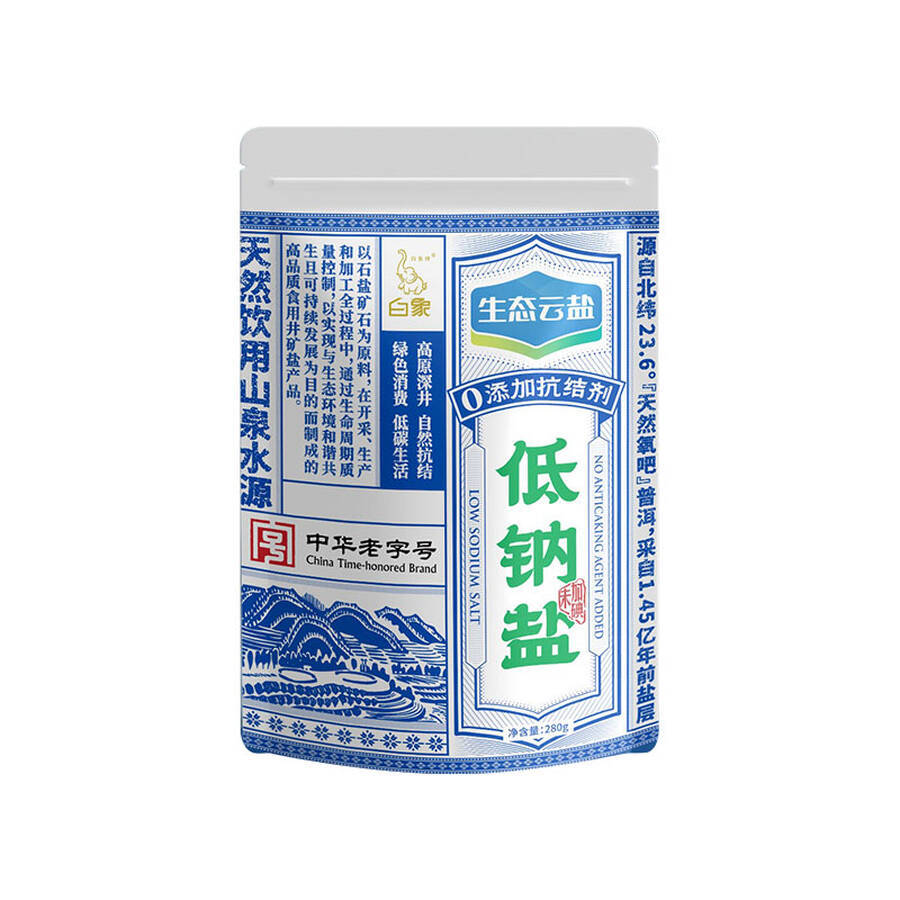
Low-sodium Salt
2026 New Arrival Low Sodium Salt
Product Name: Low-sodium salt
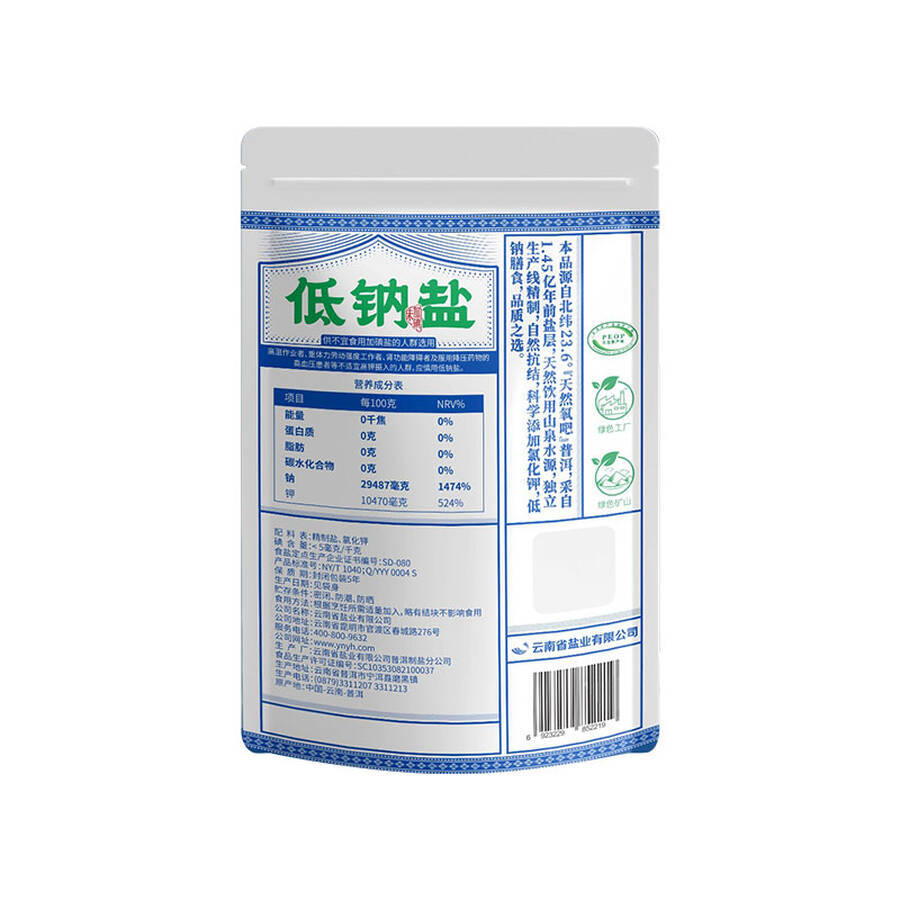
Ingredients: Refined salt, potassium chloride
Iodine content: <5mg/kg
Storage conditions: 5 years when sealed
Shelf Life: 5 years when sealed
Manufacturing Address: Mohei Town, Ning'er County, Pu'er City, Yunnan Province
CERTIFICATES
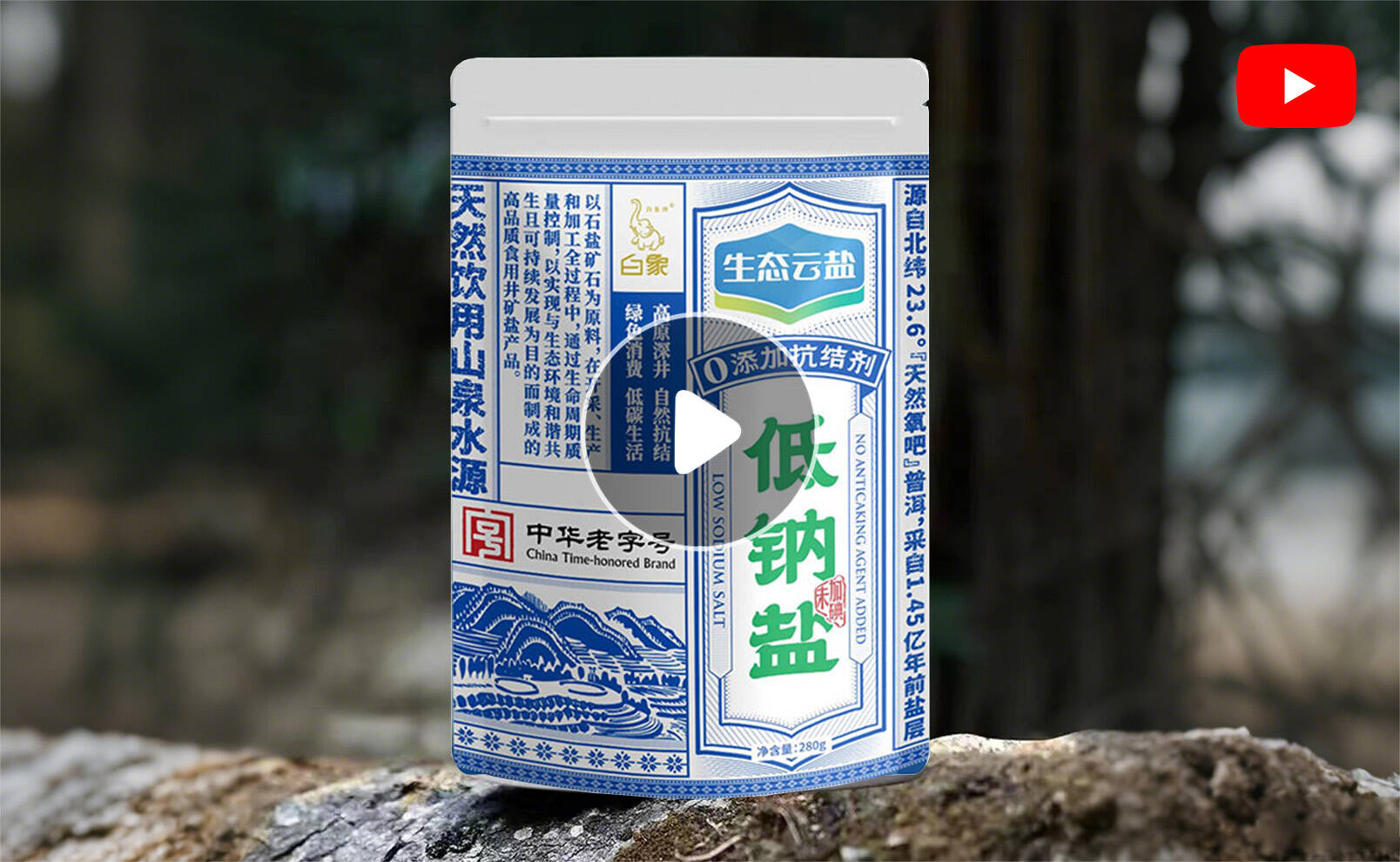
2026 New Arrival Low Sodium Salt
As excessive sodium intake becomes a widespread concern in modern diets, low-sodium salt offers a smart solution. This is achieved through precise chemical restructuring. It works by partially replacing sodium chloride within classic salt crystals — using potassium chloride and trace amounts of magnesium chloride or magnesium sulfate. This substitution reduces sodium content by 25% to 40%, while introducing potassium and magnesium ions. These ions are beneficial for maintaining healthy blood pressure and nerve function.
Its saltiness profile engages in a subtle dialogue with traditional salt. Potassium ions impart a mineral-like finish, while magnesium adds a gentle, layered nuance. From daily dietary management for hypertensive individuals, to home health strategies for cardiovascular disease prevention, this seemingly ordinary bottle of white crystals executes precise molecular-level formulation. While maintaining its fundamental seasoning function, it quietly implements dietary intervention — reducing sodium while increasing potassium. It does not seek to replace salt entirely. Rather, it crafts a revised version of this ancient essential, aligning it with contemporary health consensus.
Nutrition Facts Table
| Item | Per 100g | NRV% |
| Energy | 0 kJ | 0% |
| Protein | 0 g | 0% |
| Fat | 0 g | 0% |
| Carbohydrate | 0 g | 0% |
| Sodium | 29487 mg | 1474% |
| Potassium | 10470 mg | 524% |
Advantages
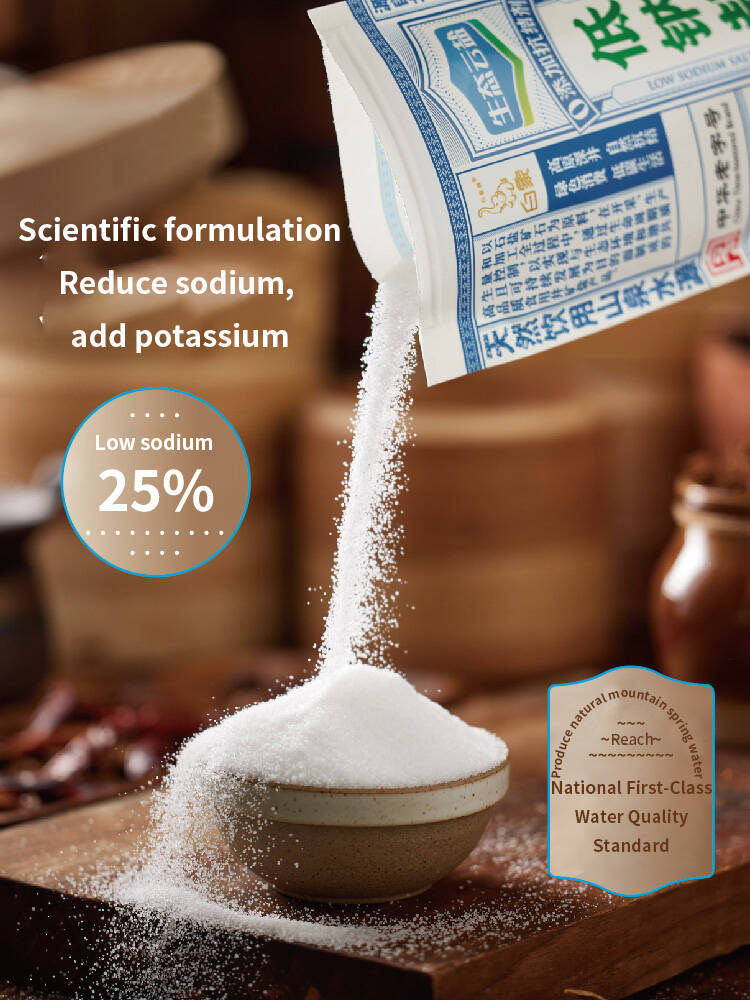
- No anti-caking agents added
- Mountain spring water salt
Made with natural mountain spring water meeting national Class I water quality standards - 25% Less Sodium
Scientifically Formulated to Reduce Sodium and Increase Potassium
Characteristics
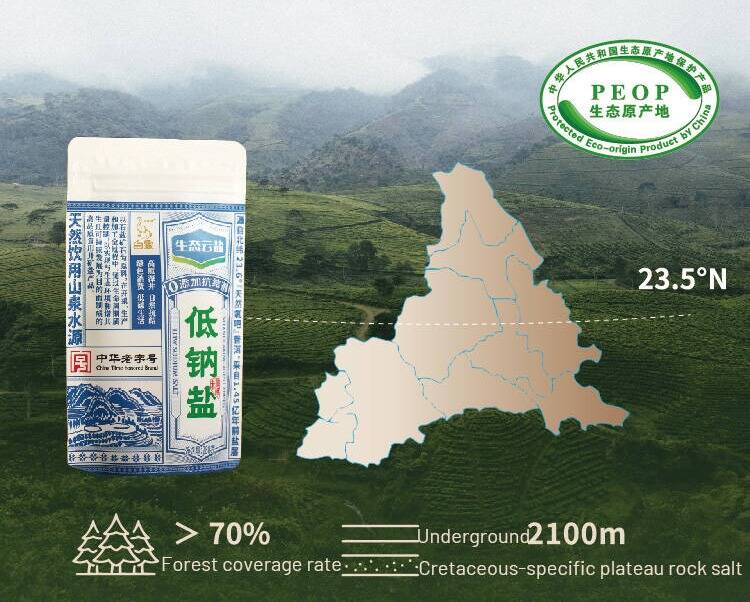
Pure and natural, far from pollution
Highland rock salt from the Tropic of Cancer
Forest coverage >70%
2,100 meters underground, unique highland rock salt from the Cretaceous period
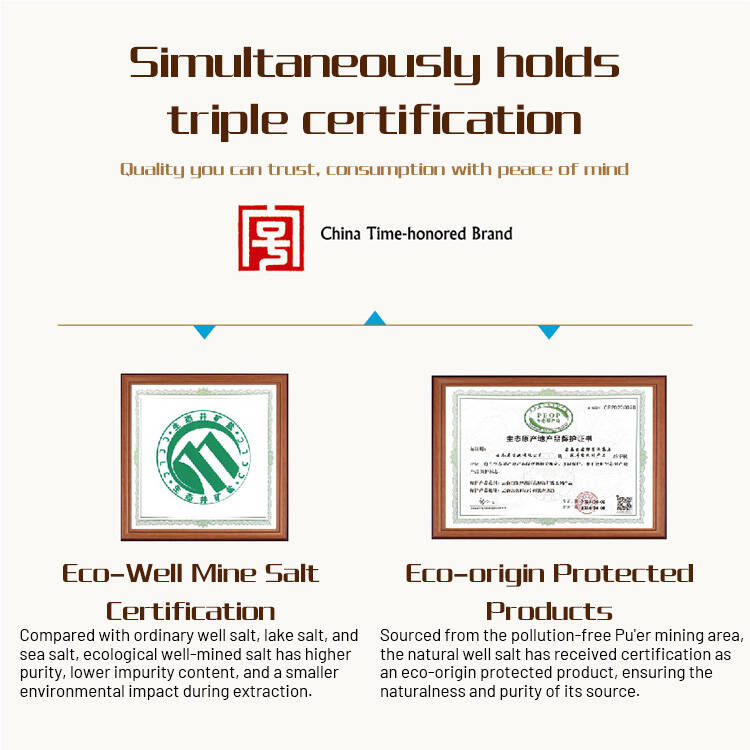
Authoritative Certification
We possess comprehensive testing reports and hold world-class and national-level authoritative certifications. As a long-established brand with years of experience, we are trustworthy.
Mechanically Processed to Ensure Purity
We employ a fully automated, touch-free process that rigorously minimizes the risk of contamination throughout production, guaranteeing the inherent quality of our product.

FAQ
Q1: What is low‑sodium salt?
A1: Low‑sodium salt is a functional seasoning salt. It is designed to help people reduce sodium intake. Its key feature involves adjusting the salt’s chemical composition.
Sodium reduction: Partially replacing sodium chloride with potassium chloride.
Potassium supplementation: Simultaneously increasing potassium content — to help maintain electrolyte balance.
Q2: Does low‑sodium salt taste the same as regular salt?
A2: It tastes very similar. However, sensitive individuals may detect subtle differences. Due to the addition of potassium chloride, some might notice a slight bitter or metallic aftertaste. Yet when thoroughly mixed into food during cooking, most find it acceptable.
Q3: Who is low‑sodium salt most suitable for?
A3: Primarily recommended for individuals with specific health management needs:
Hypertension patients and high‑risk groups: The primary target for low‑sodium salt — aiding in blood pressure control.
General middle‑aged and elderly individuals: As a preventive health dietary choice — to reduce chronic disease risks linked to high‑sodium diets.
Those who prefer salty flavors but wish to reduce sodium intake: Allows lower sodium consumption without significantly diminishing saltiness.
Q4: What are the health benefits?
A4: When used under medical or nutritional guidance — as part of an overall healthy diet — key benefits include:
Core benefit: Helps reduce sodium intake, supports blood pressure control, thereby lowering cardiovascular disease risk.
Additional benefit: Increases potassium intake — positively impacting normal blood pressure maintenance and neuromuscular function.
Q5: Is it suitable for everyone? Who should avoid it?
A5: No. The following groups should avoid or exercise extreme caution:
Individuals with renal insufficiency or failure (Contraindicated): Kidneys cannot effectively excrete potassium — potentially causing life‑threatening hyperkalemia.
Individuals with hyperkalemia (Contraindicated): Those with elevated blood potassium must avoid additional potassium intake.
Individuals taking specific medications (Consult a doctor): Combining with potassium‑sparing diuretics (e.g., spironolactone) or ACE inhibitor/sartan‑class antihypertensives may significantly increase hyperkalemia risk.
Children, pregnant women, and lactating women: Routine use is not recommended — unless explicitly advised by a doctor.
Q6: What precautions apply when using low‑sodium salt?
A6:
Not a “safe salt”: Never increase usage based on its “low‑sodium” label. Use the same amount as regular salt — or even less.
Cooking tip: Add just before serving — to minimize potential flavor loss from high temperatures.
Taste consideration: Start with a small amount initially — to confirm flavor acceptance.
Q7: Does low‑sodium salt require special storage?
A7: Store it like regular salt — keep it in a cool, dry, dark, and sealed container.
Q8: Can low‑sodium salt replace blood pressure medication?
A8: Absolutely not. Low‑sodium salt is an adjunct to dietary management. It cannot substitute any hypertension medication. Hypertensive patients must strictly follow medical prescriptions.
Q9: Should healthy individuals use low‑sodium salt?
A9: For healthy adults without sodium restriction needs — especially children and adolescents — proactive switching is generally not recommended. Maintaining a balanced diet, using regular iodized salt, and strictly limiting total intake (under 5g daily) is a simpler, more direct approach. Low‑sodium salt is a “functional” option — designed for specific health needs.
Feel free to inquire anytime and lock in your favorite style!