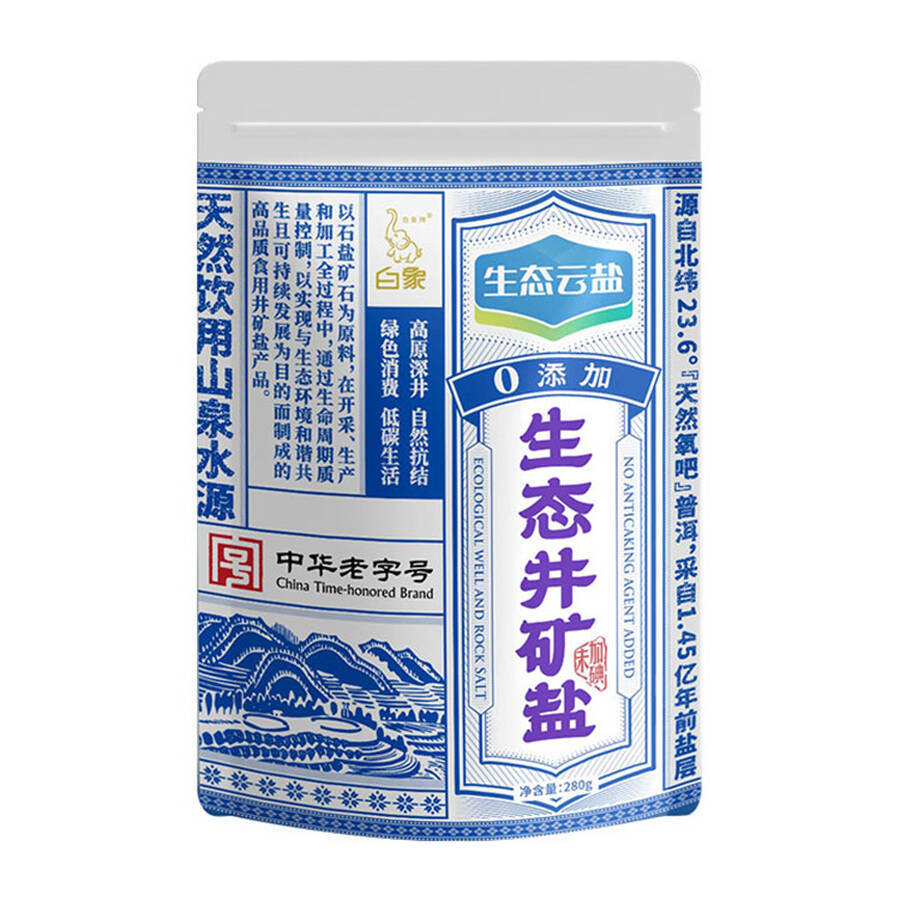
Ecological Well Mineral Salt - Non-Iodized
Zero-added Anti-caking Agent Ecological Well Mineral Salt Non Iodized Near Me
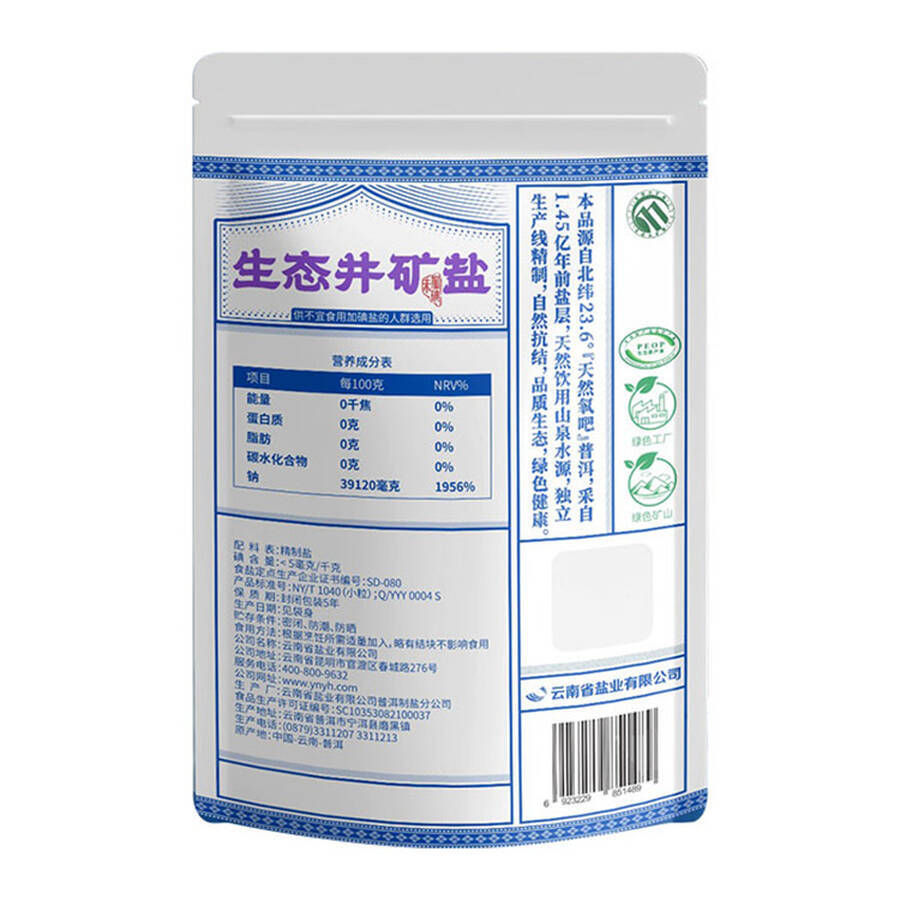
Product Name: Ecological Well Mineral Salt - Non-Iodized
Ingredients: Refined salt
Iodine content: <5mg/kg
Storage conditions: Keep tightly sealed, protect from moisture and sunlight
Shelf Life: 5 years when sealed
Manufacturing Address: Mohei Town, Ning'er County, Pu'er City, Yunnan Province
CERTIFICATES
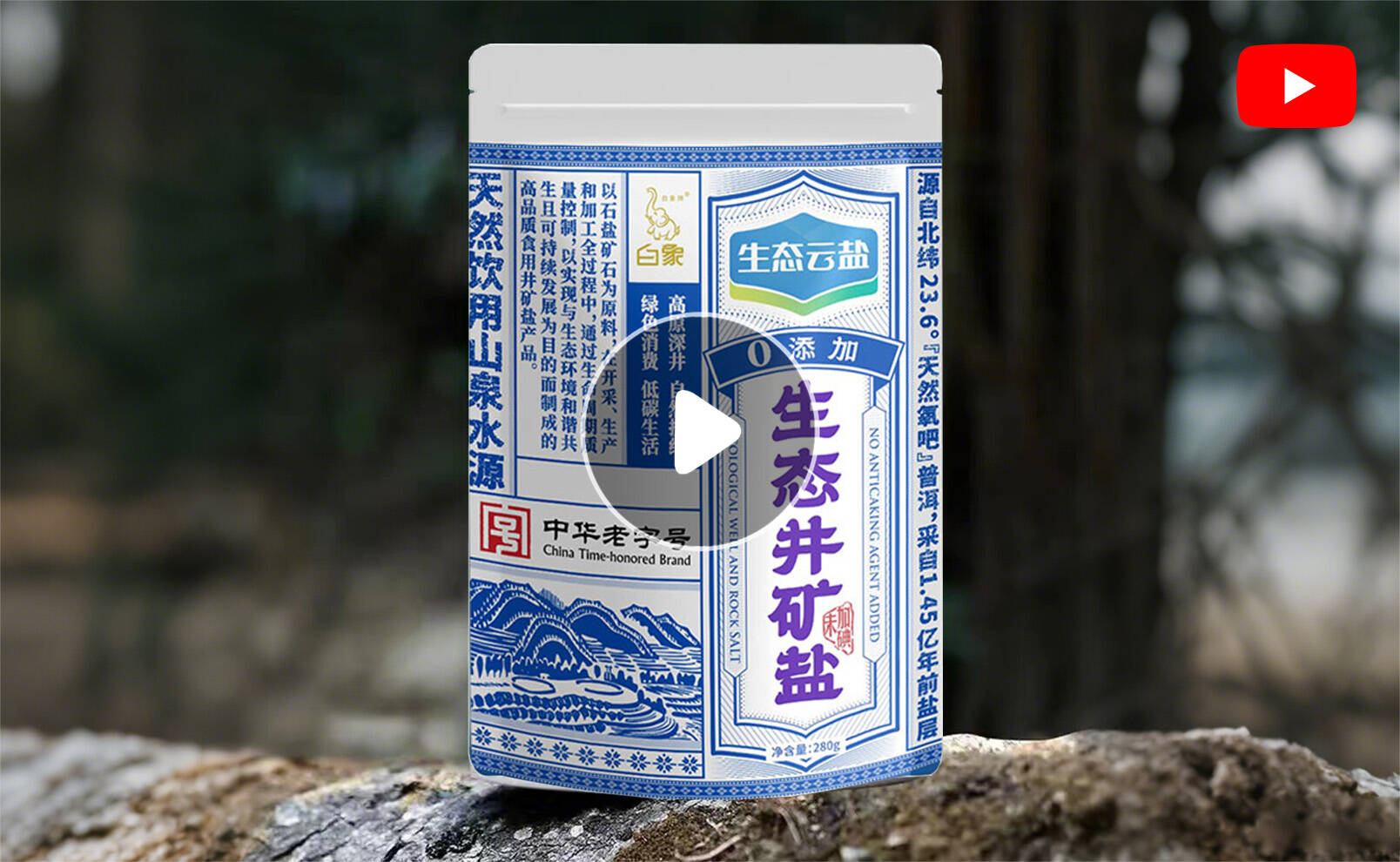
Zero-added Anti-caking Agent Ecological Well Mineral Salt Non Iodized Near Me
Where ecological mining principles converge with additive‑free standards, uniodized ecological well salt arises. It represents the precise choice for those seeking purity and specific health requirements. Employing modern drilling and water‑soluble extraction techniques, it harvests brine from deep rock salt veins. This brine then crystallizes through a fully enclosed vacuum evaporation system. The process minimizes disturbance to surface ecosystems throughout extraction. Importantly, the entire production cycle omits artificial iodine fortification. The resulting salt crystals consist of a composition close to pure sodium chloride. They retain only naturally occurring trace minerals.
For thyroid disease patients needing strict iodine control — as directed by physicians — to chefs pursuing ultimate purity and rejecting any food fortification, this salt offers a “subtraction‑based” solution. It carries no public nutrition mandate. It provides only fundamental saltiness and mineral texture derived from deep geological layers — free from artificial nutritional intervention. In professional kitchens demanding precise seasoning, or in laboratories preparing standardized solutions, its industrial‑grade purity stands out. It serves as a modern exemplar of salt returning to its original purpose: as a pure mineral and essential seasoning.
Nutrition Facts Table
| Item | Per 100g | NRV% |
| Energy | 0 kJ | 0% |
| Protein | 0 g | 0% |
| Fat | 0 g | 0% |
| Carbohydrate | 0 g | 0% |
| Sodium | 39120 mg | 1956% |
Advantages
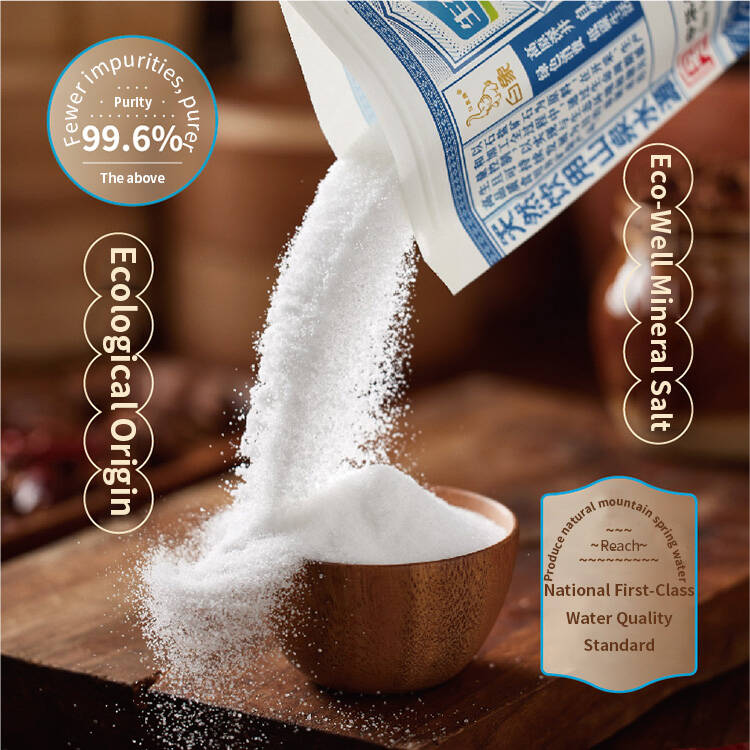
- No anti-caking agents added
- Mountain spring water salt
Made with natural mountain spring water meeting national Class I water quality standards - Purity >99.6%
Minimal impurities, purer taste
Characteristics
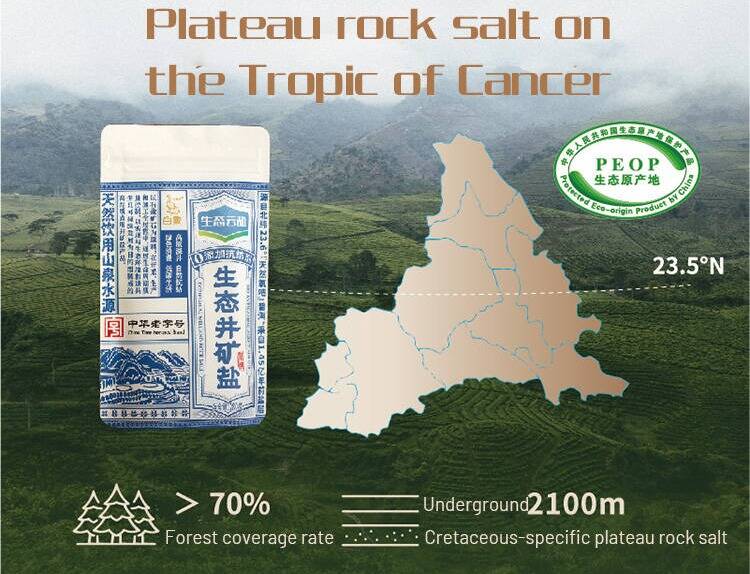
- Formed 145 million years ago
- Buried 2,100 meters underground in plateau rock salt formations
- Free from modern industrial pollution
- Vacuum salt production technology
- Free from modern life contaminants and microplastic contamination
- Naturally occurring with zero anti-caking agents added
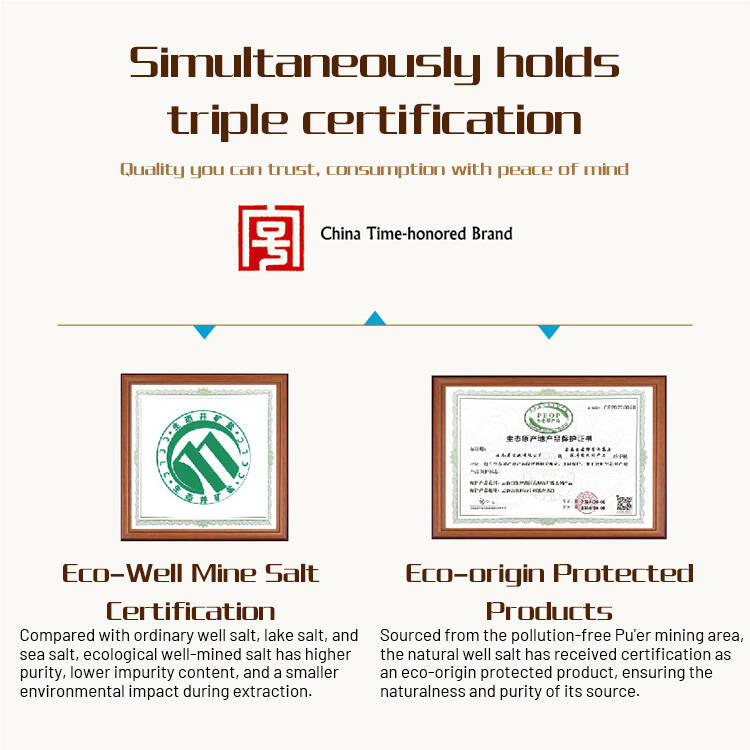
Authoritative Certification
We possess comprehensive testing reports and hold world-class and national-level authoritative certifications. As a long-established brand with years of experience, we are trustworthy.
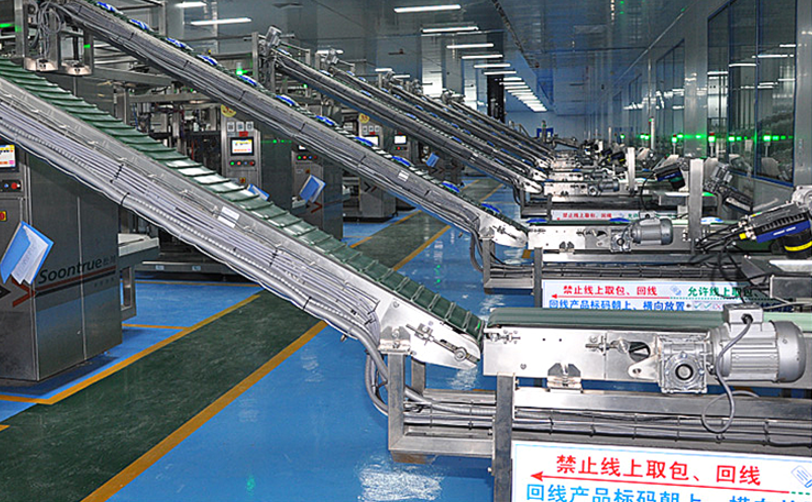
Mechanically Processed to Ensure Purity
We employ a fully automated, touch-free process that rigorously minimizes the risk of contamination throughout production, guaranteeing the inherent quality of our product.
FAQ
Q1: What is non‑iodized ecological well rock salt?
A1: This is a mineral salt produced without added iodine fortifiers. It is extracted through relatively eco‑friendly methods.
Non‑iodized: No potassium iodate or potassium iodide is added during production. Its iodine content consists solely of naturally occurring trace amounts within the rock salt. These levels are insufficient to meet daily human iodine requirements.
Eco‑Well Rock Salt: Refers to salt produced via the water‑soluble drilling method. This involves injecting water into underground salt layers, dissolving the salt, and extracting the brine. This approach minimizes surface environmental disruption. It allows for water resource recycling and reflects modern industrial environmental considerations.
Q2: How does it differ from iodized eco‑well rock salt?
A2: The core distinction lies in “iodine fortification.”
Non‑iodized version: Contains no artificially added iodine. It is suitable for specific health needs or dietary choices.
Iodized version: Contains added iodine fortifier. It serves as a public health product to prevent iodine deficiency disorders.
Both typically share the same “ecological” extraction process and base material — deep rock salt.
Q3: Who needs or is suitable for non‑iodized salt?
A3: Primarily recommended for specific groups. Generally healthy individuals are not advised to choose it proactively.
Medical necessity — primary group: Patients with hyperthyroidism (Graves’ disease), certain thyroiditis (e.g., active Hashimoto’s disease), and other thyroid conditions requiring strict iodine restriction must use it under explicit medical guidance.
Residents of high‑iodine areas: Individuals living in regions where daily drinking water and food already provide sufficient or excessive iodine levels.
Those pursuing specialized diets or flavor profiles: Professional chefs or individuals with specific requirements for food additives. Used in particular dishes or processed foods requiring a pure salty taste.
Q4: Can ordinary people use it for “low‑salt diets” to prevent hypertension?
A4: Not recommended — this is a common misconception.
“Low‑salt” refers to limiting sodium intake, not “iodine.” Non‑iodized salt contains nearly identical sodium levels to regular salt. It offers no additional benefit for blood pressure control.
For individuals needing sodium restriction, choose “low‑sodium salt” — which partially replaces sodium chloride with potassium chloride — and strictly limit total salt intake. Do not simply switch to non‑iodized salt.
Q5: Can consuming non‑iodized salt lead to iodine deficiency?
A5: For the vast majority of residents who rely primarily on iodized salt as their daily iodine source, completely switching to non‑iodized salt carries a risk. Without adequate iodine supplementation through foods like kelp, laver, or sea fish, long‑term deficiency may occur. Iodine deficiency can impair children’s cognitive development and affect adult thyroid health.
Q6: What are its distinctive flavors and uses?
A6:
Flavor: As a refined well or rock salt, it offers a pure salty taste — without the dampness or excessive mineral notes found in sea salt. It provides a neutral palate.
Usage: It is an ideal choice for cooking and food processing requiring strict iodine‑free ingredients. Suitable for all daily dishes. Especially recommended for households where patients need to limit iodine intake under medical advice.
Q7: How should it be stored?
A7: Like all table salts — store it in a cool, dry, dark, and sealed container. This prevents clumping.
Q8: Can iodized and non‑iodized salt be mixed?
A8: Not recommended as a routine practice.
For healthy individuals: Regularly consuming iodized salt is the best way to ensure stable, adequate iodine nutrition. Mixing salts can lead to inconsistent intake.
For patients requiring iodine restriction: Strict use of non‑iodized salt is mandatory. Mixing may interfere with condition management.
Q9: Does “eco‑friendly” imply healthier or safer?
A9: “Eco‑friendly” primarily refers to environmentally conscious extraction methods. It does not equate to the product itself being “healthier.”
Safety: All marketed salt must meet national safety standards regardless of ecological status. Modern, enclosed production processes — typically used for ecological well salt — do enhance product purity.
Health: Its health positioning is “additive‑free,” not “nutritionally enriched.” It serves as a “safe choice” for those requiring it, but may pose “iodine deficiency risks” for those who do not.