Pu'er Low-Sodium Calcium Salt
Low Sodium Calcium Free Salt Near Me
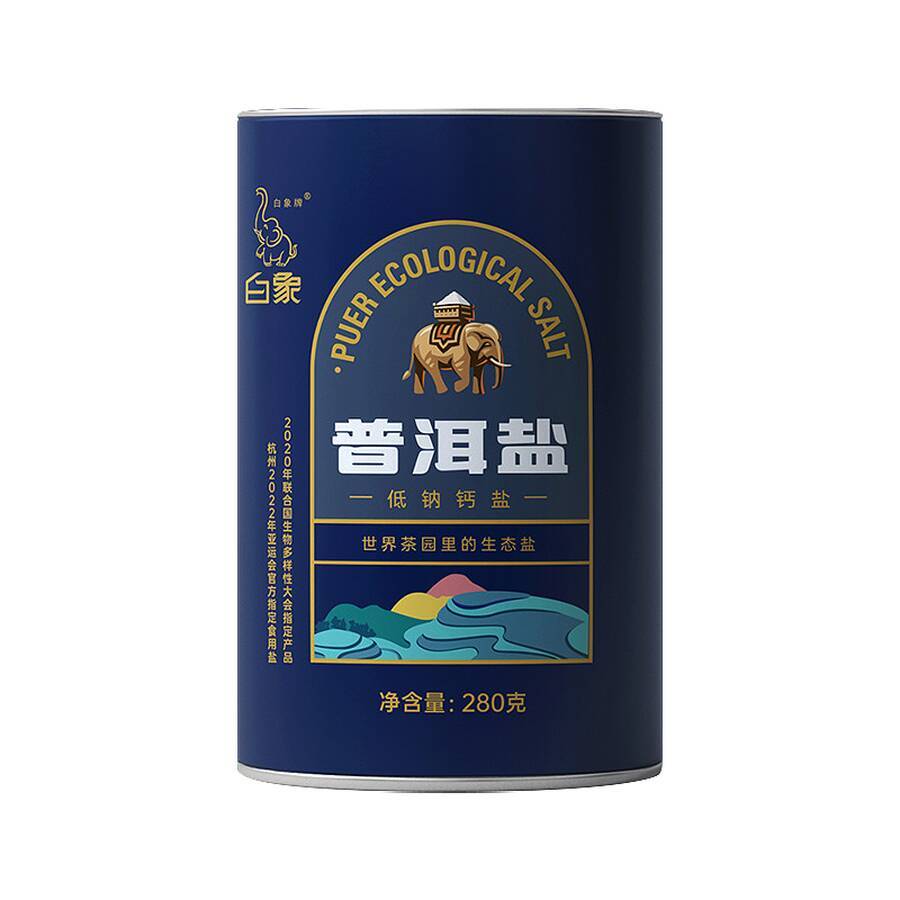
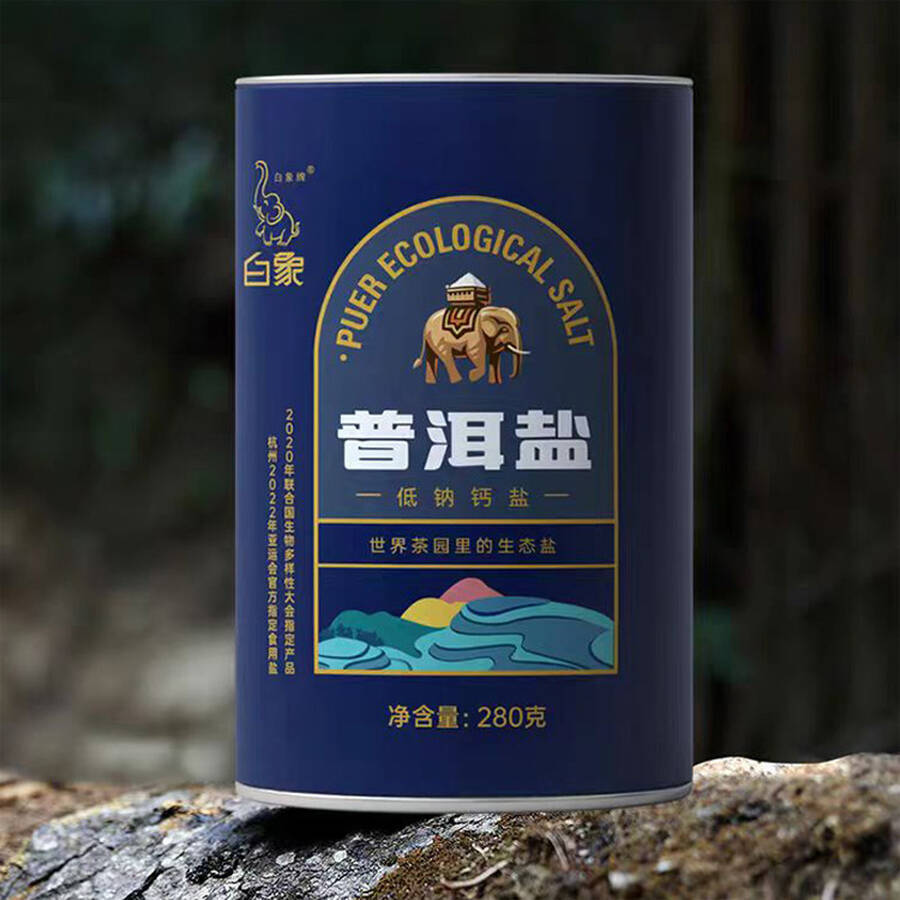
Product Name: Pu'er Salt - Low-Sodium Calcium Salt
Net Weight: 280g per can
Shelf Life: 5 years when sealed
Manufacturing Address: Mohei Town, Ning'er County, Pu'er City, Yunnan Province
CERTIFICATES
Low Sodium Calcium Free Salt Near Me
In the face of widespread sodium overload in modern diets, low‑sodium calcium salt emerges. It represents a sophisticated modification of the classic sodium‑chloride molecule.
Its core innovation lies in partially replacing sodium chloride with potassium chloride and calcium chloride within the crystal structure. This not only reduces sodium content by 25‑40%, but also introduces calcium ions — which support bone health and nerve function.
Its saltiness differs subtly from traditional salt. Potassium chloride brings a faint metallic note; calcium ions add a richer, more layered mouthfeel.
From daily cooking for those with hypertension, to dietary planning for older adults aiming to prevent osteoporosis — this bottle of white crystals, through molecular‑level formulation, keeps its fundamental seasoning role. At the same time, it quietly embeds a health message: “reduce sodium, add calcium” — into every salty release.
It doesn’t seek to replace salt. Rather, it writes a revised annotation for this ancient seasoning — one that aligns with modern nutrition.
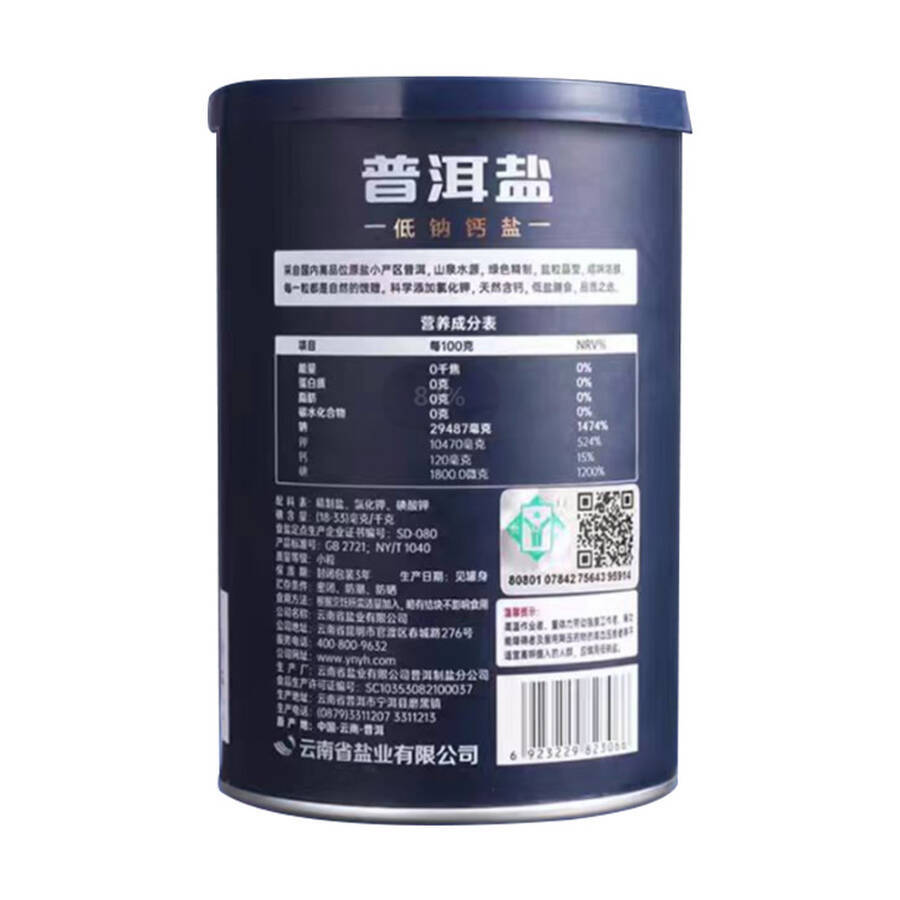
Nutrition Facts Table
| Item | Per 100g | NRV% |
| Energy | 0 kJ | 0% |
| Protein | 0 g | 0% |
| Fat | 0 g | 0% |
| Carbohydrate | 0 g | 0% |
| Sodium | 29487 mg | 1474% |
| Iodine | 1800.0 µg | 1200% |
| Potassium | 10470 mg | 524% |
| Calcium | 120 mg | 15% |
Advantages
- Sourced from Mountain Springs
No added anti-caking agents, naturally rich in calcium and other trace minerals
- Eco-Certified Facility
- No Anti-Caking Agents Added
- Sustainable Mining Site
- High-quality low-sodium diet
Calcium content as high as 120mg per 100g
Place of origin
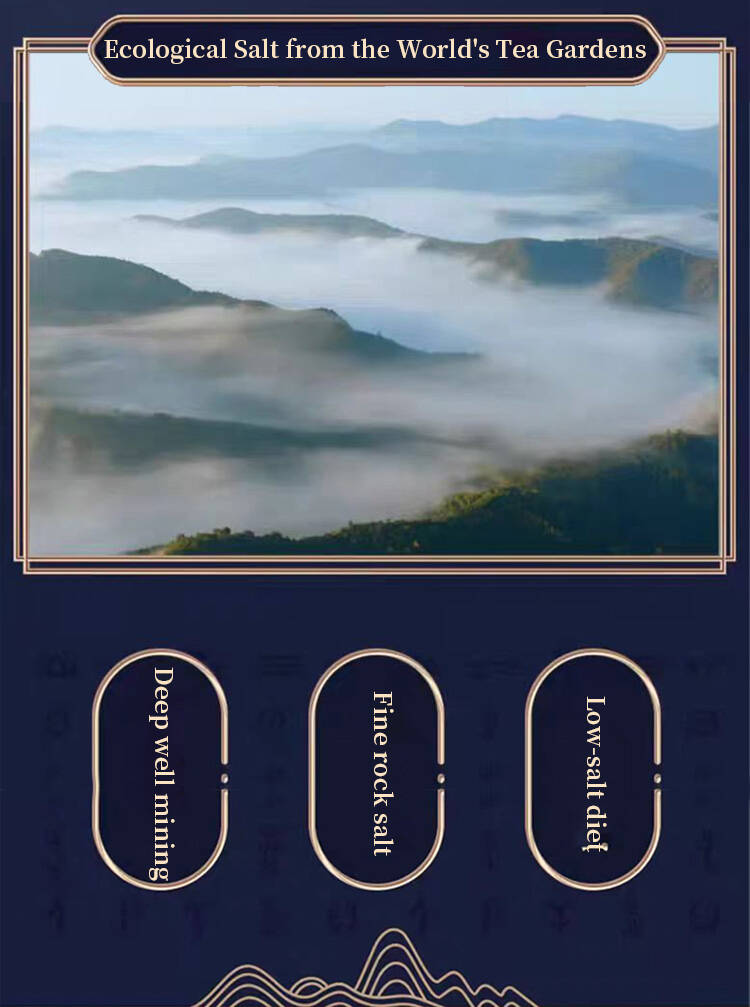
The Pu'er tea-growing region is located in Pu'er City, Yunnan Province, in the southwestern frontier of China, at coordinates 22°46' north latitude and 100°58' east longitude.
Pu'er salt originates from the imperial tribute tea gardens beneath Mount Kunlu, where year-round mist and abundant rainfall create an exceptional ecological environment.
Pu'er City's ambient air contains negative oxygen ion levels exceeding the World Health Organization's “fresh air” standard by over 14 times, earning it the title of “China's Natural Oxygen Bar.”
As an oasis along the Tropic of Cancer, Pu'er boasts exceptionally well-preserved ecosystems and extraordinary biodiversity. Home to over 5,600 species of higher plants and 1,490 animal species, it is celebrated as a “treasure trove of biological germplasm” and the " Palace of Yunnan's Animal and Plant Kingdom,“ epitomizing Yunnan's biodiversity. Hailed by the United Nations Environment Programme as ”a paradise on earth, a world within paradise," it has earned prestigious titles including National Garden City, National Forest City, National Water Ecological Civilization City, and Sixth National Civilized City.

Authoritative Certification
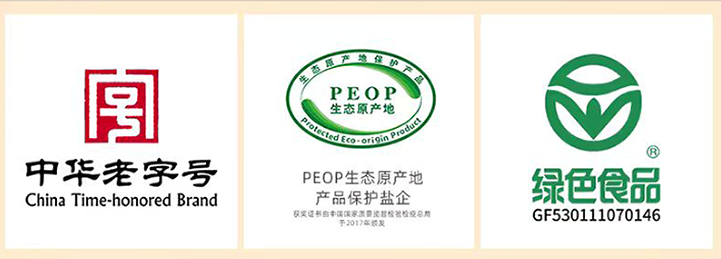
We possess comprehensive testing reports and hold world-class and national-level authoritative certifications. As a long-established brand with years of experience, we are trustworthy.
Mechanically Processed to Ensure Purity
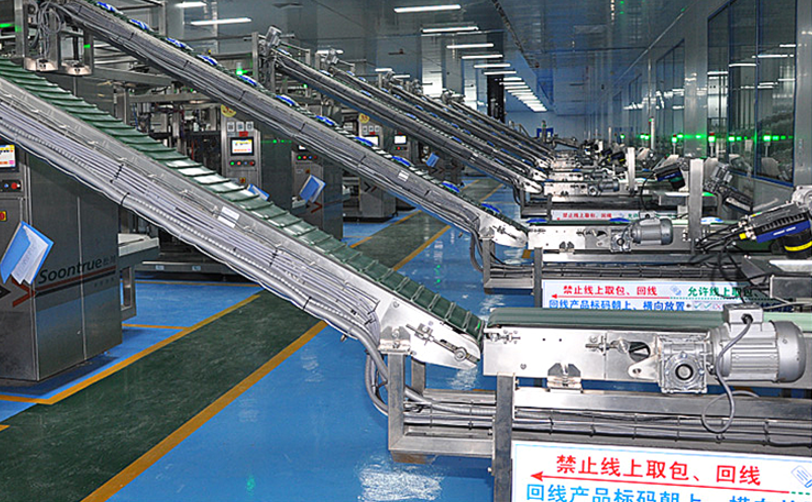
We employ a fully automated, touch-free process that rigorously minimizes the risk of contamination throughout production, guaranteeing the inherent quality of our product.
FAQ
Q1: What is low‑sodium calcium salt?
Low‑sodium calcium salt is a seasoning designed for specific health needs. It modifies the chemical composition of salt by partially replacing sodium chloride. Potassium chloride and calcium chloride are incorporated into its crystalline structure.
Purpose: It assists individuals who need to control sodium intake — such as hypertension patients — in reducing associated risks. Simultaneously, it provides supplementary calcium.
Q2: Does it taste the same as regular salt?
The taste is very similar, yet not identical. Most users accept its saltiness, though sensitive palates may detect a subtle difference. Potassium chloride can introduce a faint metallic or bitter aftertaste. When used moderately in cooking or well‑blended into dishes, this distinction often becomes unnoticeable.
Q3: Who is best suited to use it?
This product targets individuals with specific health‑management needs:
Those limiting sodium: Hypertensive patients, people at higher cardiovascular risk, and middle‑aged/older adults pursuing preventive sodium reduction.
Those supplementing calcium: Middle‑aged/elderly individuals — especially postmenopausal women — with potentially inadequate dietary calcium, to support osteoporosis prevention.
Important: Use under advice from a physician or clinical nutritionist.
Q4: Does it truly benefit health?
For the target groups, when used appropriately under guidance, potential benefits are evident:
Sodium reduction: Helps manage blood pressure and lowers cardiovascular risks linked to high‑sodium diets.
Calcium addition: Offers a dietary calcium source to promote bone health.
Prerequisite: Benefits depend on maintaining an overall balanced diet and avoiding excessive consumption.
Q5: Is it suitable for everyone?
No. Caution or avoidance is advised for:
Renal impairment: Kidneys regulate potassium and calcium‑phosphorus balance. Impaired function risks hyperkalemia or disturbed mineral metabolism. Strictly avoid self‑use.
Certain medications: Patients on potassium‑sparing diuretics (e.g., spironolactone) or ACEI/ARB drugs may face elevated hyperkalemia risk. Medical consultation is essential before use.
Thyroid conditions: Choice depends on iodized/non‑iodized formulation — follow medical advice.
Q6: What precautions apply?
Not for unrestricted use: Due to potassium content, do not increase dosage arbitrarily. Adhere to the same or lower amounts as regular salt; allow taste adaptation.
Cooking tip: Add near the end of cooking to preserve flavor and minimize any thermal effects on potassium.
Storage: Keep sealed, dry, and protected from light, similar to conventional salt.
Q7: Can it replace regular salt or medication?
Absolutely not.
Not a medication: It is solely a seasoning — never a substitute for antihypertensive drugs, calcium supplements, or any prescribed treatment.
Holistic management required: Blood‑pressure control and calcium supplementation demand a comprehensive approach: balanced diet, exercise, medication adherence, and regular monitoring. Merely changing salts is insufficient.
Q8: Is long‑term consumption safe?
For individuals with normal kidney function and no contraindications, long‑term use at recommended levels is considered safe. However, regular health check‑ups are advisable — monitor blood pressure, serum potassium, calcium, and renal function indicators.
Feel free to inquire anytime and lock in your favorite style!