Sodium Chloride
I. Product Overview: What is Sodium Chloride?
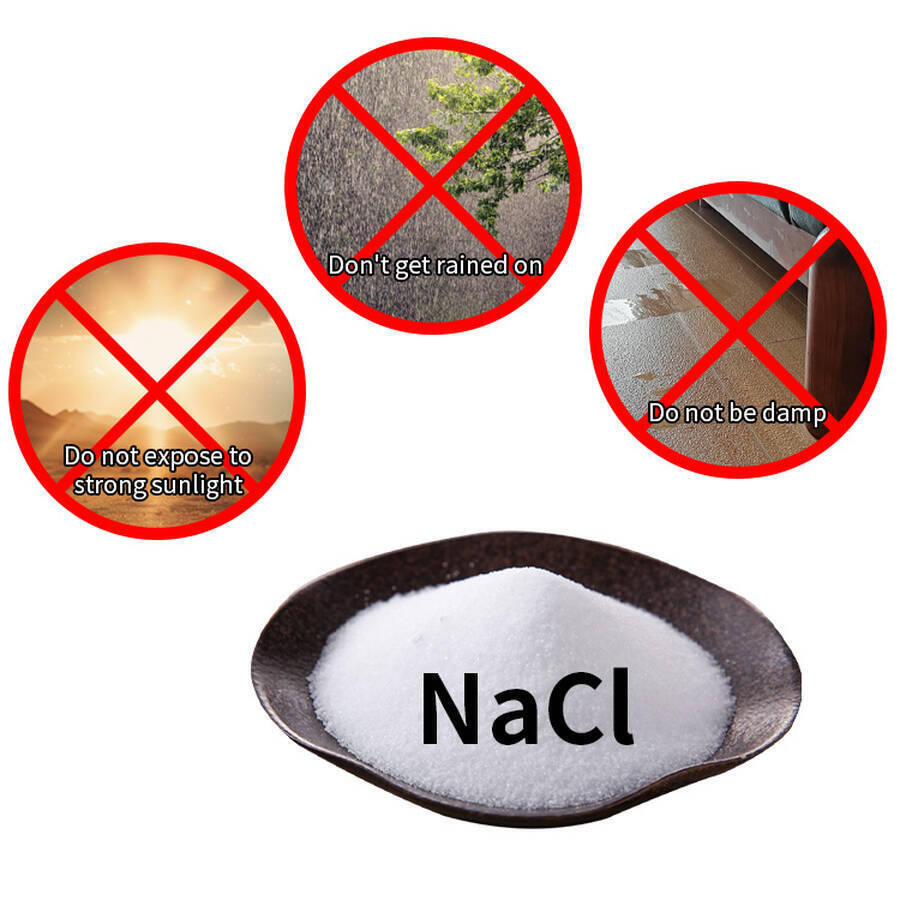
Sodium chloride (chemical formula NaCl) is an inorganic ionic compound, commonly known as table salt, and is one of the most common salts found in nature. It typically appears as colorless cubic crystals or a fine white crystalline powder; it is odorless, has a salty taste, and exhibits some hygroscopicity when exposed to air. Sodium chloride is highly soluble in water and glycerol, slightly soluble in ethanol, and sparingly soluble in concentrated hydrochloric acid. It is chemically stable, and its aqueous solution is neutral. As a vital chemical raw material and a common seasoning in daily life, sodium chloride has widespread applications in the medical, food, chemical, and personal care sectors. As a professional chemical trading company, we are committed to providing high-quality sodium chloride products that meet international standards to satisfy the needs of clients across various industries.
II. The Key Role of Sodium Chloride in Cosmetics
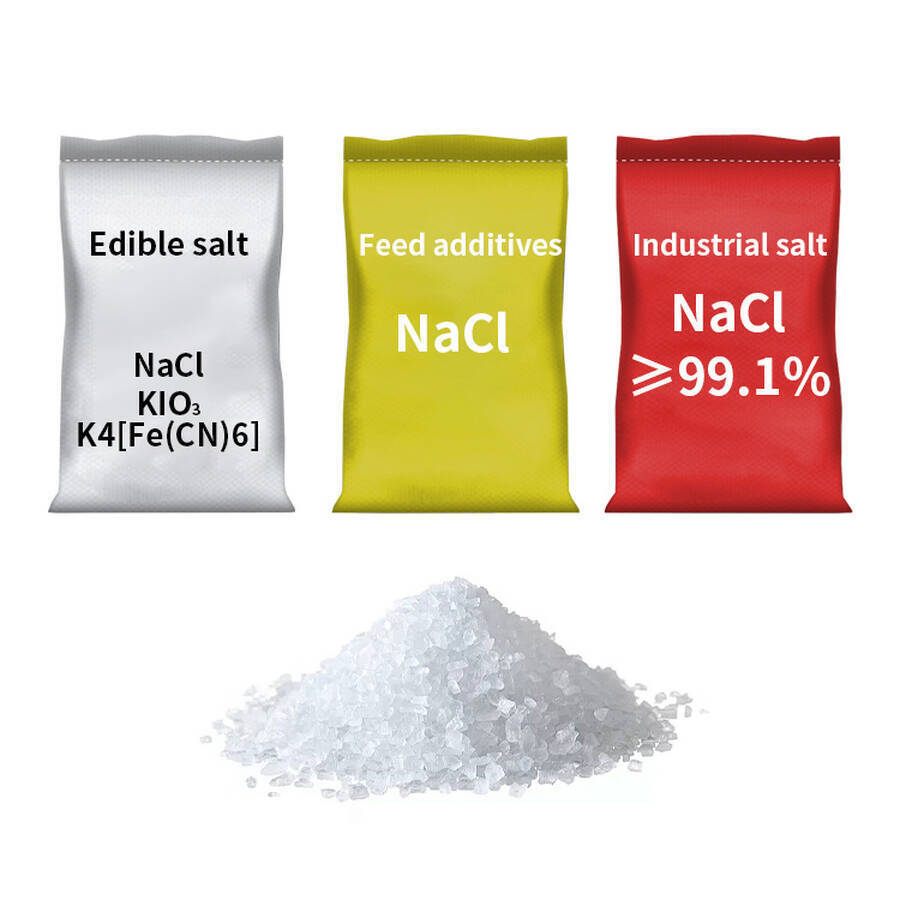
Sodium chloride plays several important roles in personal care products. In shampoos and body washes, it is most commonly used as a thickening agent, increasing the product’s viscosity by altering the morphology of surfactant micelles, thereby achieving the ideal rheological state for the liquid. At the same time, sodium chloride acts as a binder, helping to absorb moisture and hold other ingredients in the formulation together. In products such as scrubs, the fine crystals of sodium chloride serve as a gentle exfoliant, helping to remove dead skin cells from the skin’s surface. Furthermore, sodium chloride possesses antibacterial and anti-inflammatory properties. The slight electrical charges carried by its sodium and chloride ions interfere with bacterial adhesion, making it difficult for bacteria to survive on the skin’s surface. It is important to note that the concentration of sodium chloride in cosmetics is scientifically formulated, and the levels found in legitimate products will not cause skin dryness or irritation.
III. Industrial and Medical Uses of Sodium Chloride
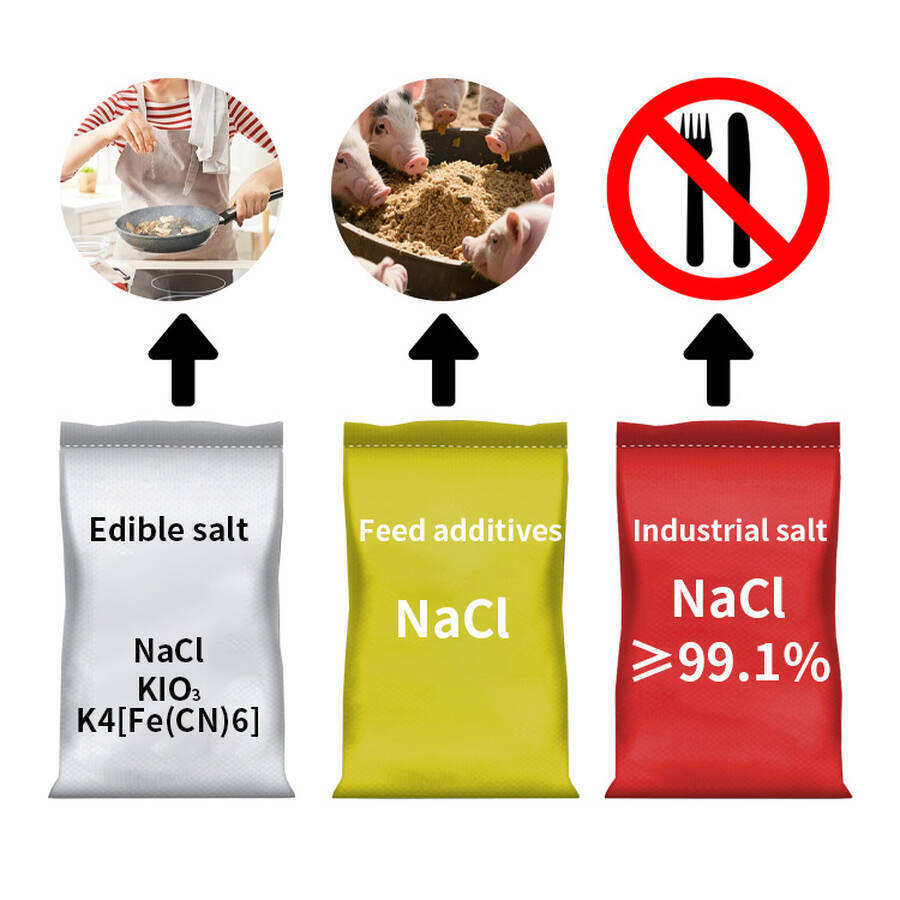
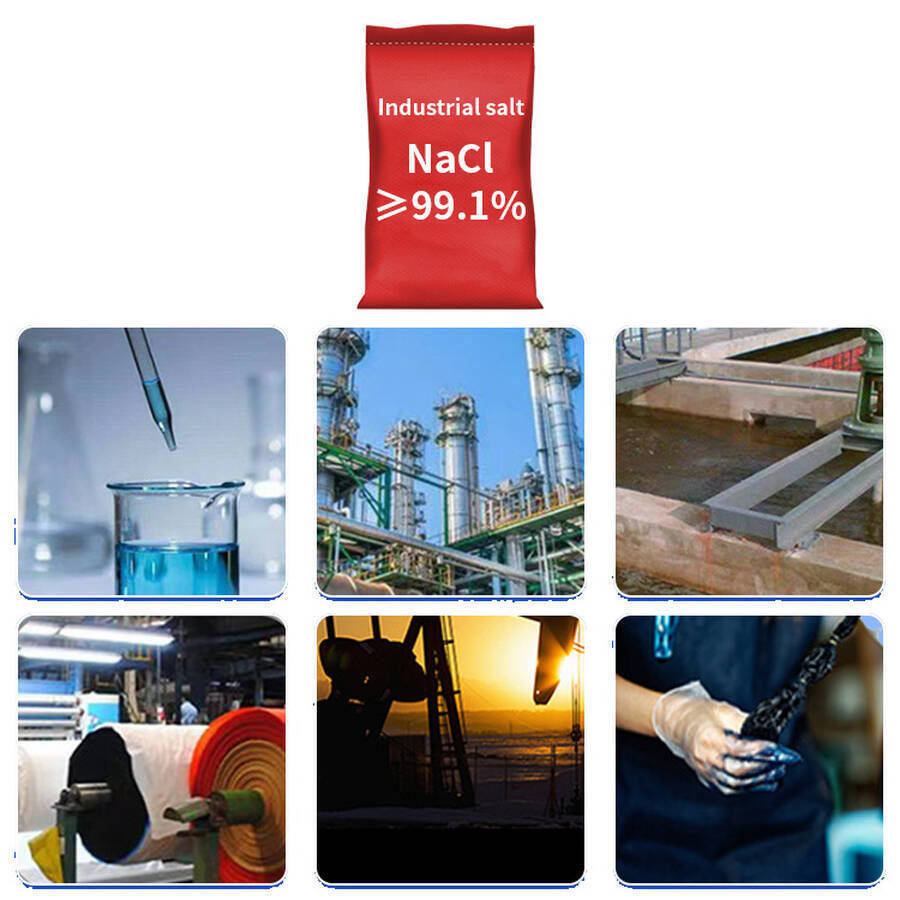
In the industrial sector, sodium chloride serves as a fundamental raw material for the chlor-alkali industry. By electrolysis of a saturated sodium chloride solution, hydrogen, chlorine, and caustic soda (sodium hydroxide) can be produced; these products are further used to manufacture chemical products such as polyvinyl chloride, pesticides, and hydrochloric acid. In addition, sodium chloride is widely used in ore smelting, glass manufacturing, water treatment, textile printing and dyeing, and winter road de-icing. In the medical field, highly purified sodium chloride is used to prepare saline solution (0.9% sodium chloride aqueous solution), which is used for intravenous infusion, wound irrigation, nasal care, and other clinical applications. In the food industry, sodium chloride serves as both a basic seasoning and a traditional preservative; it inhibits microbial growth through osmosis, thereby extending the shelf life of food products.
IV. Fun Facts: The History and Trivia of Sodium Chloride
Sodium chloride has been part of human civilization for thousands of years. As early as 3000 BCE, the ancient Egyptians were already using salt to preserve food; during the Roman Empire, salt was used as currency, and a portion of soldiers’ pay was allocated for purchasing salt. The English word “salary” actually derives from the Latin “salarium,” meaning “allowance for salt.” In China, salt production from seawater began over 5,000 years ago, and by the Western Zhou Dynasty, the Jiechi Salt Pans in Yuncheng, Shanxi, were already producing lake salt on a large scale. From a chemical perspective, sodium chloride is formed by the bonding of sodium ions and chloride ions through ionic bonds. Each chloride ion is surrounded by six sodium ions, forming a typical cubic crystal structure known as the “sodium chloride structure.” Within the human body, sodium and chloride ions work together to maintain the osmotic pressure and acid-base balance of extracellular fluid, playing a crucial role in nerve signal transmission and muscle contraction. However, the World Health Organization recommends that adults consume less than 5 grams of salt per day, as excessive intake may increase the risk of cardiovascular diseases such as hypertension.
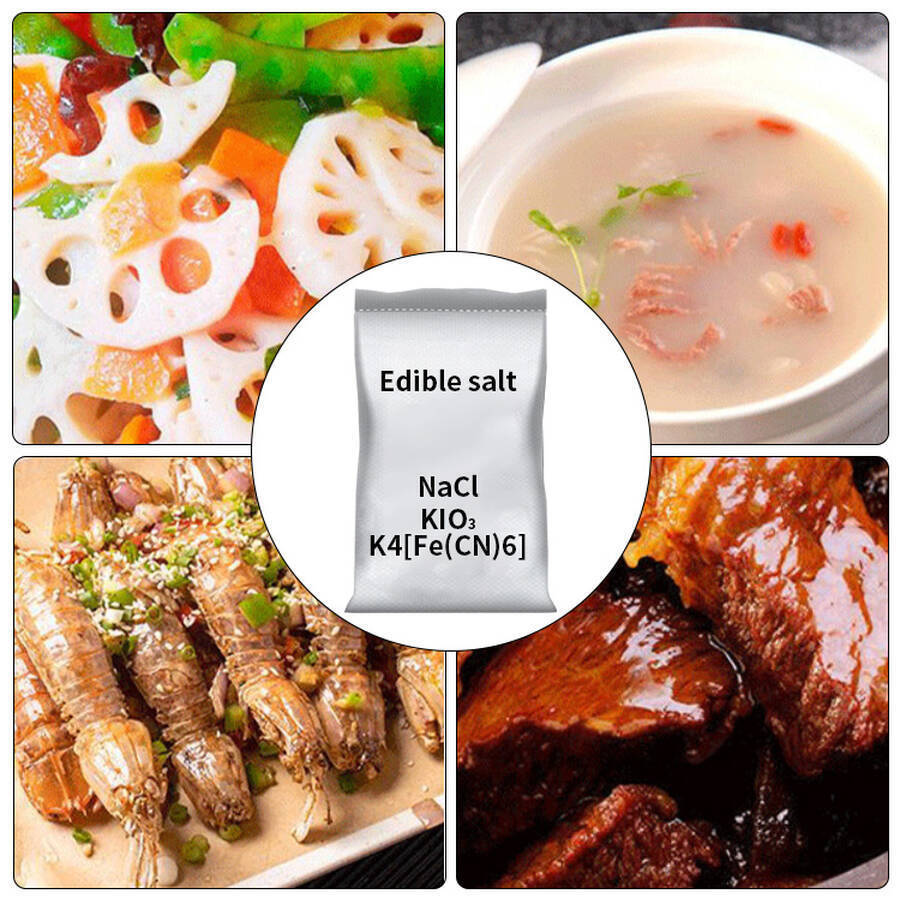
V. Production Process: From Rough Salt to High-Purity Sodium Chloride
The production process for sodium chloride varies depending on the source of raw materials and intended use. The most traditional industrial method is seawater salt production: seawater is channeled into salt pans, where it is concentrated through solar evaporation, causing sodium chloride to crystallize and precipitate, yielding rough salt. For products requiring higher purity, a refining process is employed: Rough salt is dissolved in water to remove insoluble impurities. Refining agents (such as sodium hydroxide and sodium carbonate) are then added to precipitate soluble impurities—including calcium ions, magnesium ions, and sulfate ions—which are subsequently filtered out. Finally, hydrochloric acid is used to adjust the pH to neutral, and the solution is concentrated and recrystallized to obtain high-purity sodium chloride. In the laboratory, sodium chloride can also be prepared through the neutralization reaction of hydrochloric acid and sodium hydroxide. The sodium chloride products supplied by our company undergo multiple purification processes, resulting in extremely low impurity levels that meet the purity requirements of customers across various industries.